
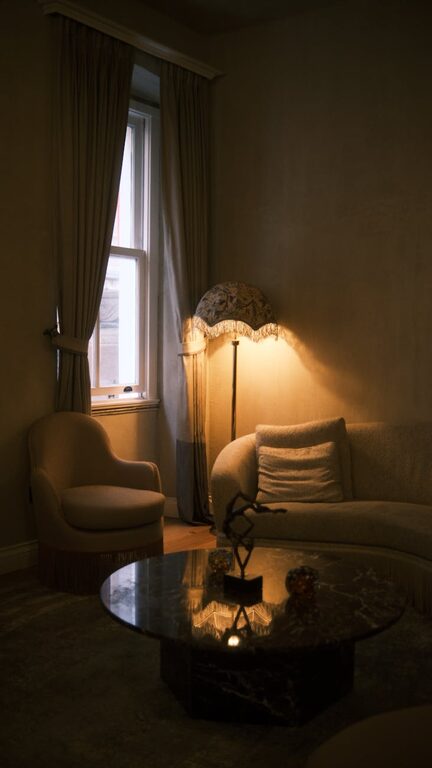
Creating a comfortable and inviting atmosphere in your home often starts with choosing the right lighting. The way we light our living spaces affects not only the look but also the mood, functionality, and comfort of each room. Whether you are redecorating or upgrading your lighting fixtures, understanding how to pick comfortable lighting can make a huge difference in your home’s ambiance.
In this post, we’ll explore practical tips to help you select lighting that feels good to the eyes and suits each area of your home perfectly.
Why Comfortable Lighting Matters
Good lighting can transform a space. It balances aesthetics with practicality and influences how you feel throughout the day. Harsh, overly bright lighting can cause eyestrain and discomfort, while dim or poorly placed lights can make activities difficult and the space feel gloomy.
Comfortable lighting helps:
– Reduce eye fatigue
– Promote relaxation
– Highlight design features
– Support daily activities like reading and cooking
Understand Different Types of Lighting
Before choosing fixtures or bulbs, it’s important to understand the three main types of lighting that work together to create a comfortable environment.
Ambient Lighting
This is the general, overall light that fills the room. It creates a baseline level of illumination so you can move around safely. Examples include ceiling lights, chandeliers, and wall-mounted fixtures.
Task Lighting
Focused lighting meant for specific tasks such as reading, cooking, or working. Think desk lamps, under-cabinet kitchen lights, or vanity lights in the bathroom.
Accent Lighting
Used to highlight artwork, plants, or architectural features. Accent lighting adds depth and interest to your space and includes spotlights and track lights.
A comfortable home lighting setup incorporates all three types thoughtfully.
Choose the Right Bulb for Comfort
The light bulb you pick plays a big role in comfort.
Consider Color Temperature
Measured in Kelvins (K), color temperature affects the look and feel of your light:
– Warm light (2700K–3000K): Provides a cozy, relaxing atmosphere with a yellowish glow.
– Neutral light (3500K–4100K): Balanced and clear for general tasks.
– Cool light (5000K+): Bright and crisp, good for work areas but can feel harsh in living spaces.
For most home environments, warm or neutral lighting is best for comfort.
Think About Brightness
Brightness is measured in lumens. Too bright can be glaring; too dim can strain your eyes. A good rule of thumb:
– Living rooms and bedrooms: 1,500–3,000 lumens total
– Kitchens and bathrooms: 3,000–4,000 lumens total
Dimmable bulbs give you flexibility to adjust light levels throughout the day.
Layer Your Lighting
Using multiple light sources in a room creates what designers call “layered lighting.” This means combining ambient, task, and accent lights so you can customize the environment depending on the activity.
Tips for Layering:
– Use ceiling lights or large fixtures for ambient light.
– Include table lamps or floor lamps next to seating for task lighting.
– Install LED strips or spotlights to highlight artwork or shelves.
Layered lighting prevents harsh shadows and ensures the room feels balanced and comfortable.
Match Lighting to the Room’s Purpose
Each room has different lighting needs based on how you use it.
Living Room
Since this is a multifunctional space, combine soft ambient lighting with task lamps for reading or hobbies. Warm light creates a cozy mood here.
Kitchen
Bright, neutral lighting is ideal for kitchens where you prepare food. Under-cabinet lights are helpful for countertop work.
Bedroom
Aim for warm, low-intensity lights to promote relaxation. Bedside lamps with dimmers are perfect for nighttime reading and winding down.
Bathroom
Bright, clear lighting around mirrors helps with grooming. Avoid overly harsh overhead lights; try layered options that reduce shadows.
Choose Fixtures That Diffuse Light Gently
Fixtures can influence how light spreads. Shades, frosted glass, and fabric lampshades soften light and reduce glare. Avoid bare bulbs in frequently used spaces to prevent eye strain.
Control Your Lighting Environment
Using dimmers, smart bulbs, or multiple switches lets you adjust lighting based on the time of day or your mood. Natural light is also important—use curtains and blinds to manage sunlight without causing excessive glare.
Energy Efficiency and Comfort
LED bulbs not only save energy but also generate less heat and offer various options for color temperature and dimming capabilities. Choosing energy-efficient lighting helps your comfort by maintaining a stable room temperature and reducing environmental impact.
Final Tips for Comfortable Home Lighting
– Test lighting options before committing. Many stores offer bulb samples or rooms set up with different lighting.
– Avoid mixing very different color temperatures in the same room to keep a harmonious feel.
– Keep lighting clean and maintain fixtures for consistent brightness.
– Use reflective surfaces, such as light-colored walls and mirrors, to enhance ambient lighting naturally.
Conclusion
Choosing comfortable home lighting is about creating a balance between functionality and relaxation. By understanding different types of lighting, selecting the right bulbs, layering your lights, and tailoring your choices to each room’s needs, you can build a warm and welcoming home environment. Remember, lighting is not just about illumination but about how it makes you feel every time you step into a room.
Happy lighting!