
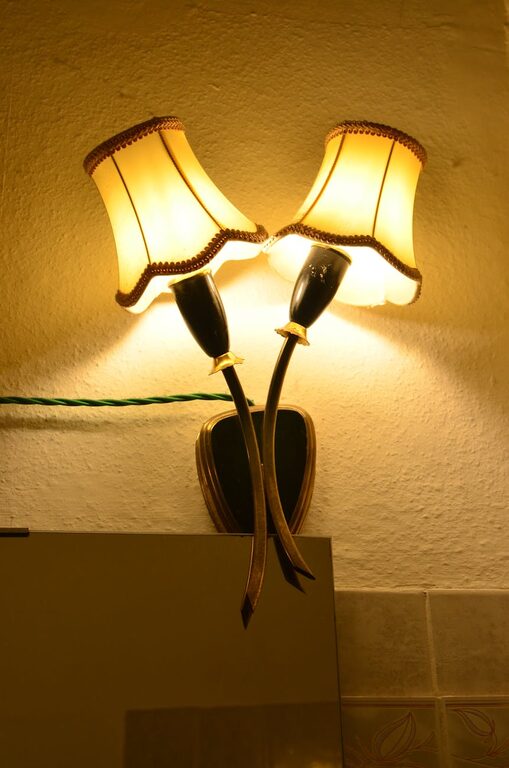
Creating a comfortable and inviting atmosphere at home starts with the right lighting. Good lighting not only brightens your space but also influences your mood, productivity, and overall comfort. Whether you’re redesigning a room or upgrading your existing setup, choosing the best home lighting can transform your environment.
In this guide, we’ll explore practical tips to help you select comfortable lighting for every area of your home.
Understanding the Basics of Home Lighting
Before diving into specific tips, it’s helpful to know the three main types of lighting used in homes:
– Ambient lighting: The primary source of light that illuminates the entire room, such as ceiling fixtures or recessed lights.
– Task lighting: Focused light designed for specific activities like reading, cooking, or working.
– Accent lighting: Decorative light highlighting artwork, architectural features, or plants.
Achieving a balanced combination of these lighting types creates a layered, comfortable atmosphere.
Consider Your Room’s Purpose
Each room in your home has a different function, so lighting needs will vary accordingly.
Living Room and Lounge Areas
These spaces are typically used for relaxing or entertaining guests. Use warm, soft light to encourage comfort and conversation. Consider:
– Dimmable overhead lights or chandeliers to adjust brightness.
– Floor lamps near seating for reading or relaxing.
– Table lamps that add ambiance and style.
Kitchen
Bright, clear light is important to safely prepare meals and work on countertops. Use a mix of:
– Bright ambient lighting like LED ceiling panels.
– Under-cabinet task lights to illuminate work surfaces.
– Pendant lights over islands or dining areas for style and function.
Bedroom
Your bedroom should feel calm and restful. Opt for lighting that can easily be dimmed or softened:
– Warm bedside lamps for reading or winding down.
– Avoid overly bright ceiling lights; consider indirect lighting options.
– Use smart bulbs or dimmers to regulate light levels.
Bathrooms
Good lighting is essential in bathrooms for grooming and applying makeup. Use:
– Bright, even light around mirrors.
– Moisture-resistant fixtures.
– Consider a combination of ceiling and vanity lights to reduce shadows.
Choose the Right Color Temperature
Color temperature, measured in Kelvins (K), greatly affects how natural or comfortable your lighting feels.
– Warm light (2700K to 3000K): Creates a cozy, inviting atmosphere. Ideal for living rooms and bedrooms.
– Neutral light (3500K to 4100K): Balanced and clean, great for kitchens and bathrooms.
– Cool light (5000K and above): Bright, energizing feel, suitable for workspaces but less comfortable for relaxation areas.
Selecting bulbs within the right temperature range helps your space feel pleasant and functional.
Focus on Light Intensity and Brightness
Choosing the correct brightness is equally important. Too bright can cause glare and discomfort, while too dim can strain your eyes.
– Look for lumens on bulbs rather than watts; lumens indicate brightness.
– Living rooms and bedrooms thrive with softer light levels (about 450-800 lumens).
– Task-heavy areas like kitchens require brighter bulbs (800-1600 lumens).
– Use dimmer switches to adjust intensity based on time of day or activity.
Opt for Energy-Efficient Bulbs
Comfortable lighting doesn’t have to come with high energy costs. Modern bulbs offer a variety of energy-saving options.
– LED bulbs are the most efficient and long-lasting option.
– They come in many shapes, sizes, and color temperatures.
– Look for bulbs with the ENERGY STAR label for assured efficiency.
Use Multiple Light Sources
Relying on just one overhead light can make spaces feel flat or uncomfortable. Employ multiple sources of light to create depth and flexibility.
Tips include:
– Mix ceiling lights with lamps and wall sconces.
– Include accent lighting to highlight art or plants.
– Layering your lights adds interest and comfort.
Consider Fixtures and Placement
The style and placement of light fixtures impact both function and comfort.
– Choose fixtures that diffuse light softly to avoid harsh shadows.
– Position task lights close to work areas.
– Avoid placing bright lights directly in your line of sight to reduce glare.
– Reflective surfaces like mirrors can help distribute light better.
Incorporate Smart Lighting Solutions
Smart lighting systems allow you to customize brightness and color temperature easily.
– Program your lights to match daily routines.
– Use voice control or smartphone apps to adjust settings.
– Some smart bulbs can mimic natural daylight, improving mood and comfort.
Pay Attention to Natural Light
Maximizing natural light reduces the need for artificial lighting and promotes a healthy home environment.
– Use sheer curtains or blinds to control brightness while letting light in.
– Position mirrors to reflect sunlight deeper into the room.
– Be mindful of furniture placement, ensuring it doesn’t block windows.
Final Thoughts
Choosing comfortable home lighting combines practical needs with personal style and comfort. By considering your room’s purpose, light color temperature, brightness, and the use of layered light sources, you can create a welcoming and visually pleasing environment.
Remember to take your time exploring different bulbs and fixtures since lighting can dramatically enhance how you experience your living space every day.
Happy lighting!